
How to Pack Everything into a Carry-On
6/28/20267 min read
Understanding Carry-On Limitations
Packing efficiently for air travel involves a comprehensive understanding of carry-on limitations imposed by airlines. Each airline has unique policies that dictate the size, weight, and the number of carry-on bags permitted. Typically, the standard dimensions for a carry-on bag range between 22 x 14 x 9 inches; however, these specifications can vary significantly across different airlines. To prevent disappointment at the airport, travelers should meticulously check their airline's specific regulations regarding carry-on luggage before finalizing their packing.
Moreover, the weight restrictions imposed by airlines can also affect how much you can pack. While some airlines enforce strict weight limits (often around 15-22 pounds), others may not have a specified weight guideline but will require passengers to be able to lift their bags into the overhead compartments. Therefore, it’s prudent to weigh your carry-on before departure to ensure compliance with your airline’s policies.
In addition to size and weight, travelers must also be aware of the items that are generally prohibited in carry-on bags. Commonly restricted items include sharp objects, liquids exceeding 3.4 ounces, and items that could pose a security threat. Familiarizing oneself with these restrictions can save time and hassle at security checkpoints. A comprehensive list of prohibited items is often provided on the airline's website, making it easier for travelers to plan their carry-on contents accordingly.
Many travelers fall into the common pitfall of assuming all airlines have the same carry-on rules. This misconception can result in additional fees or the need to check bags at the last minute. To avoid such inconveniences, thorough research is essential when preparing for air travel. Understanding the limitations of your carry-on not only facilitates a smoother travel experience but also contributes significantly to optimizing your packing strategy.
Choosing the Right Carry-On Bag
When embarking on a journey that necessitates packing light, selecting the appropriate carry-on bag is paramount. A well-chosen carry-on can simplify travel significantly, allowing for ease of transport and maximizing packing efficiency.
There are several types of carry-on bags available, each catering to different travel styles and needs. Wheeled suitcases are a popular choice due to their ease of maneuverability, making them ideal for airport settings and travelers with heavy loads. Backpacks offer a more hands-free option, often featuring ergonomic designs that distribute weight evenly, making them suitable for adventure travel or navigating through crowded spaces. On the other hand, duffel bags present a versatile alternative, especially when choosing a soft-sided bag allows for fitting into tight spaces.
When selecting a carry-on bag, certain features should be prioritized. Durability is critical; materials such as ballistic nylon or polyester generally withstand the rigors of travel better than cheaper fabrics. Additionally, compartments play a significant role in organization. A bag with multiple zippers, pockets, and compartments ensures easier access to essentials while keeping items neatly organized. Moreover, consider ease of access—bags that open wide or have top-loading designs can facilitate quicker packing and retrieval of items during security checks.
Another vital aspect is ensuring that the bag complies with airline guidelines. Most airlines have specific dimensions for carry-on luggage, typically around 22 x 14 x 9 inches. To avoid any inconveniences at the airport, it is prudent to check these requirements before making a purchase, thereby ensuring the selected carry-on bag meets the necessary regulations.
Essential Packing Strategies
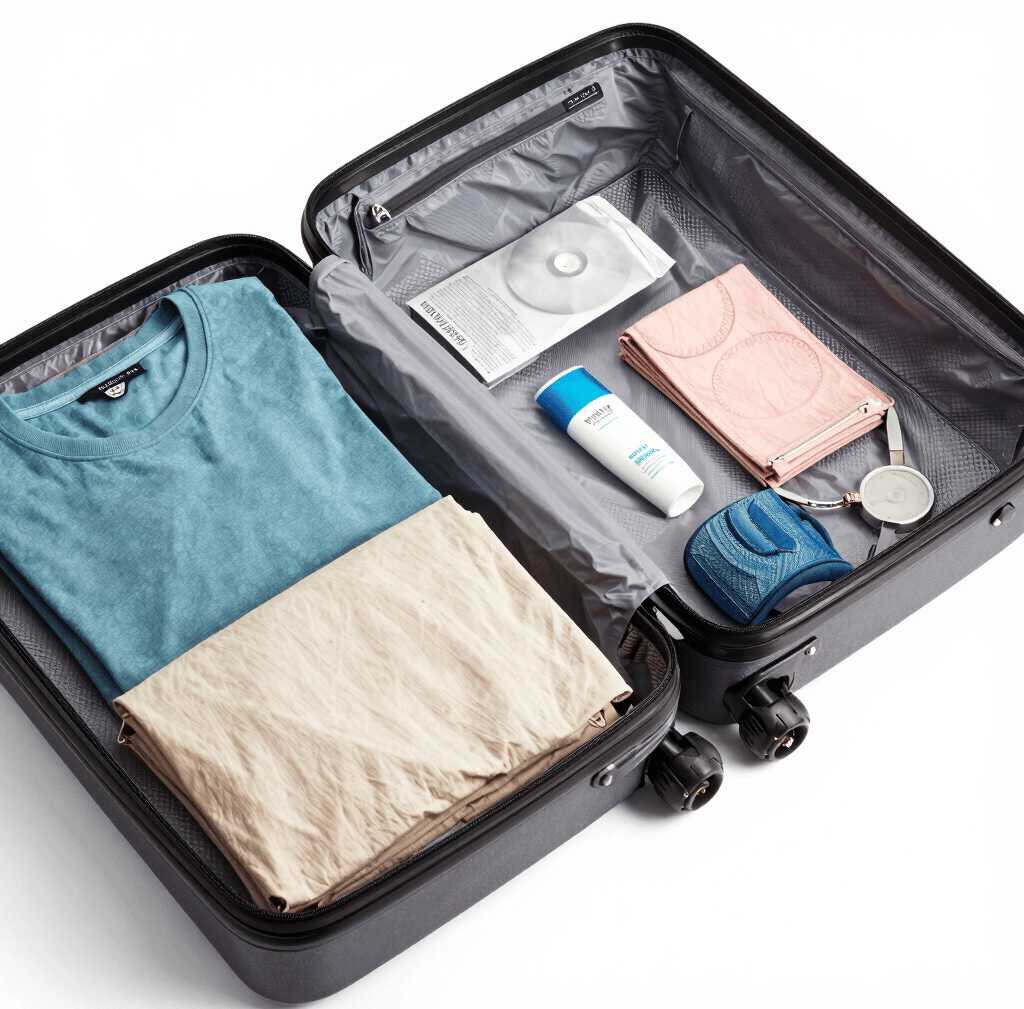
Packing efficiently for travel is a skill that can greatly enhance the overall experience. One of the most effective methods of packing involves rolling clothes instead of folding them. This technique not only saves space but also minimizes wrinkles. When rolling, it is advisable to start with larger items such as pants and then layer smaller items on top. In addition to rolling, utilizing packing cubes can significantly streamline organization. Packing cubes allow travelers to categorize their clothing by type or outfit, making it easier to access items without unpacking the entire carry-on.
Another crucial aspect of effective packing involves maximizing space. Utilizing every inch of available space within the carry-on is essential. Placing smaller items, such as socks and underwear, inside shoes is one way to make the most of the space within the luggage. Additionally, consider packing items such as toiletries in zippered bags or compression bags designed to reduce bulk, ensuring that they stay organized and compressed.
Selecting what to bring along is equally important when packing a carry-on. Prioritize essentials such as travel documents, a change of clothes, and any necessary electronics. It is beneficial to evaluate each item’s importance and practicality. Ask yourself if an item is versatile or essential for the trip; if it is neither, it may be better to leave it behind. This decision-making process not only helps in minimizing the load but also ensures that everything packed serves a purpose.
Finally, being familiar with airline regulations regarding size and weight limits is imperative. This knowledge can help prevent the challenges of excess baggage and fines, making travel smoother. Proper planning and adherence to these essential packing strategies can lead to a more organized and stress-free travel experience.
Clothing Choices for Versatility
When embarking on a journey with only a carry-on, choosing versatile clothing is essential for maximizing outfit options while minimizing space. Selecting garments that can serve multiple purposes enhances functionality and ensures that travelers look presentable in various situations without overpacking.
One effective strategy is to opt for neutral colors like black, white, or beige, which can easily be mixed and matched. For instance, a pair of black trousers can be paired with a simple white shirt for a casual day at a museum or dressed up with a blazer for dinner. Similarly, a versatile dress can serve as both a standalone piece and a layering item over a turtleneck or paired with leggings.
Materials also play a crucial role in packing smartly for travel. Fabrics that are wrinkle-resistant and lightweight, such as polyester blends or merino wool, can provide comfort and elegance while being easy to store. Incorporating items that can transition from day to night is beneficial; for example, a comfortable pair of shoes that can work for both sight-seeing and a night out can significantly enhance your packing strategy.
Layering is another key aspect to consider when preparing a compact wardrobe. Lightweight cardigans or scarves can add warmth without taking up excessive space. In fluctuating temperatures, layering allows for adaptability—wearing a fitted t-shirt under a loose-fitting shirt can create a polished look, while easily being adjusted for optimal comfort. It is also advised to pack functional accessories such as a belt or a versatile bag, which can enhance outfits without consuming much room in the carry-on.
In essence, choosing versatile clothing and strategic layering not only saves space but also ensures that a variety of chic ensembles can be crafted from a limited number of items, making both travel and wardrobe management more efficient.
Toiletries and Personal Items
Packing toiletries and personal items for air travel can be a daunting task due to strict liquid restrictions imposed by airlines. It is essential to adhere to the regulations while ensuring that all necessary essentials fit into your carry-on luggage. The key to achieving this balance lies in careful selection and smart organization.
One effective way to minimize bulk is to opt for travel-sized containers for liquids. Many brands offer travel-sized options, which not only help you comply with the 3.4-ounce limit but also save space in your bag. These containers typically include shampoo, conditioner, body wash, and facial cleansers. You might also consider investing in refillable travel bottles to reduce waste and personalize your toiletries.
For a more space-efficient packing strategy, consider using solid toiletry alternatives. Items such as bar soap, solid shampoo bars, and deodorant sticks can significantly lighten your load and eliminate the risk of leakage. This shift not only complies with carry-on regulations but also contributes to a more sustainable travel routine.
Organization plays a crucial role in effectively packing your toiletries. Use a compact toiletry bag with multiple compartments to keep items separated and easily accessible. Transparent bags can also be beneficial as they allow for quick identification during security checks. Additionally, folding instead of rolling towels and clothing around your toiletries can provide extra cushioning while maximizing space.
By incorporating these strategies, travelers can efficiently pack their toiletries and personal items into a carry-on, ensuring compliance with airport regulations while maintaining access to essential products. Ultimately, with careful planning and organization, items will fit neatly within the designated space, making your travel experience smoother and more enjoyable.
Electronics and Important Documents
Packing electronics and essential travel documents in a carry-on can be a meticulous task, yet adhering to a systematic approach will enhance your travel experience. First, consider which electronic devices are necessary for your trip. Laptops, tablets, and smartphones are commonly used but prioritize based on your needs. For example, if you need to conduct business remotely, a laptop may be indispensable. However, if leisure is your focus, your tablet or smartphone may suffice.
Once you have decided on the devices to bring, organize your charging cables efficiently. Using cable organizers or pouches can prevent tangles and make them easily accessible. It is advisable to purchase multi-device chargers or power banks that can charge multiple devices simultaneously. This strategy minimizes the number of cables while ensuring that all devices have power when needed.
When it comes to crucial travel documents, such as passports, boarding passes, and identification, secure storage is vital. Consider using a dedicated travel wallet or document holder that can easily fit into your carry-on. This will keep essential documents together and easily retrievable at security checkpoints or boarding gates. Make copies of these documents and store them separately in case of lost items; digital backups are also recommended for added security.
Protecting your devices during travel is equally important. Use padded cases or sleeves for laptops and tablets to absorb shock during transit. Additionally, consider using anti-theft measures, such as locking your bag or securing it to your luggage. By taking proactive steps to pack electronics and important documents securely and efficiently, you can ensure a smoother travel experience, maximizing convenience while minimizing stress.
Final Checklist and Organization Tips
When packing for a journey with just a carry-on, creating a comprehensive checklist is crucial to ensure you do not forget any essential items. A well-thought-out packing list can significantly ease the stress of travel, particularly when you want to maximize space and efficiency. Start by categorizing your items into clothing, toiletries, electronics, and personal items. For clothing, consider packing versatile pieces that can be mixed and matched. Aim for clothing made from wrinkle-resistant fabrics to minimize maintenance during the trip.
For toiletries, use travel-sized containers to comply with airline regulations regarding liquids. Remember to include essential items such as medications, a toothbrush, and a small first aid kit. Electronics, such as chargers and headphones, should be stored in easily accessible pockets to ensure they do not become lost in the chaos of travel. Additionally, don’t forget important travel documents like flight tickets and passports, which should be kept in a secured, organized section of your carry-on.
Once you’ve packed your items, organization becomes key to maintaining a tidy carry-on throughout your trip. Use packing cubes or compression bags to compartmentalize clothing and other items, making them easier to locate when you need them. Additionally, consider designating specific pockets for certain categories of your belongings; for example, use a front pocket for items that require quick access, such as snacks and travel documents. This method not only keeps your carry-on organized but also ensures a smooth travel experience.
Lastly, remember to adapt your packing list based on the duration and purpose of your trip. A weekend getaway requires a different approach compared to an extended business trip. Tailoring your checklist accordingly will help you remain efficient, enabling you to navigate through various travel situations with ease.